What to Bring to Match Day/Game Day

Since you don’t always know how long a match, game, or tournament could last, it’s smart to bring anything you could possibly need (within reason) for throughout the day. Here are a few objects I always pack in my purse and/or backpack for match days and tournaments.  

  • Team Items 

Scorebooks, filming equipment (which, if you’re lucky, is one object) and meal money all fit into this category. Since it’s for the team, it’s the most important. Always double and triple check before you leave your school and the venue to ensure you have all team property.

I also am occasionally left in charge of medical sheets, which are extremely important to keep safe and close. 

  • Chargers 

Bring chargers for your phone, for the team’s iPads camera, and other tech. Again, you never quite know how long the day could be, so it’s important to be prepared. 

  • Homework 

I notoriously always bring my homework to tournaments and never touch it. But, it’s always nice to have it there in case motivation strikes.  

  • Pain Relief (of all sorts) 

I keep a small bag of band-aids, Neosporin, Dramamine, and Tylenol in my purse in case I or anyone else needs it. The Dramamine is especially crucial if you or someone on your team is prone to motion sickness. 

  • Pens and Pencils Galore 

You never know when your pencil will break while scorekeeping or when your coach will need a pen. 

  • Blanket 

These are the best for long bus trips and for sitting on uncomfortable bleachers before events start. Especially if you manage a winter sport. 

  • Puzzle Book 

This is mostly just for before a game or match begins. My coach often gets us to venues extremely early, so it’s nice to have a Sudoku book or crossword puzzles to work on while the team waits to weigh in. And to procrastinate on doing that homework I brought. 

iPad on top of book with a Starbucks cup in the background
Photo by Daniel Korpai on Unsplash
  • Perfume, Lotion, and Sanitizer 

It’s always nice to be able to freshen up in the middle of a tournament or at the end of the day. And sanitizing is especially important if you are handling team equipment or athlete’s clothing. 

  • Snacks 

While my team’s parents typically will bring food and drinks, it’s smart to bring some of you own for before they arrive. If you work with wrestlers, just try to eat while they’re not around or wait until after they weigh-in.  

  • Headphones 

It’s nice to space out on the way to and from an event, unless your coach or athletes want to talk to you of course. Though, in my experience, the rides home are typically quiet. 

  • Movies 

If you’re travelling on a bus equipped with a DVD player, it can be fun to bring some inspirational sports films or feel-good films such as Ferris Bueller’s Day Off. My team always watches films while we travel. Just make sure your selections are not rated R or are too racy. 

  • Water Bottle 

Hydrate, hydrate, hydrate. Especially during tournaments. I am constantly rushing from mat to mat filming during those, so I always try to keep my water bottle close by to keep me going. 

  • Coffee Cup 

If you drink it, it’s very helpful for those early morning tournaments. A gallon-sized jug to split between you and your co-manager is also a nice touch. 

These are just suggestions and what I have found useful over the past few seasons.  
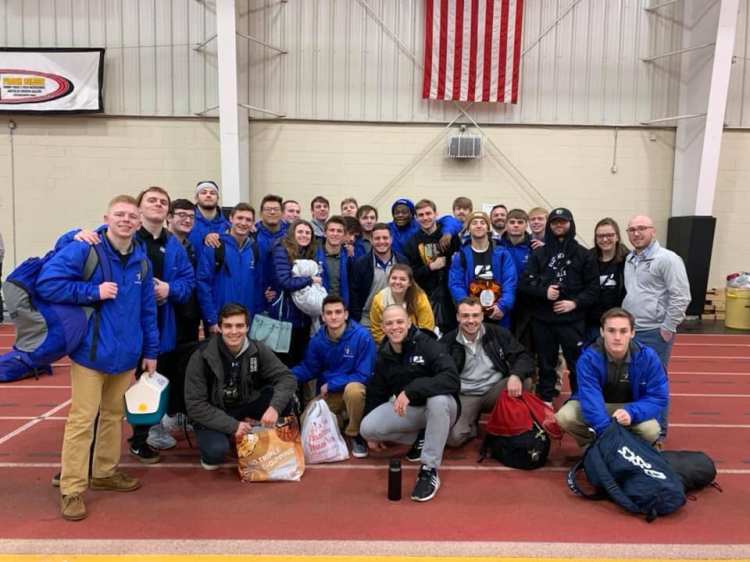
Smiling team after tournament
My team after a successful tournament

Communication 101: Student-Athletes, Coaches, and Parents

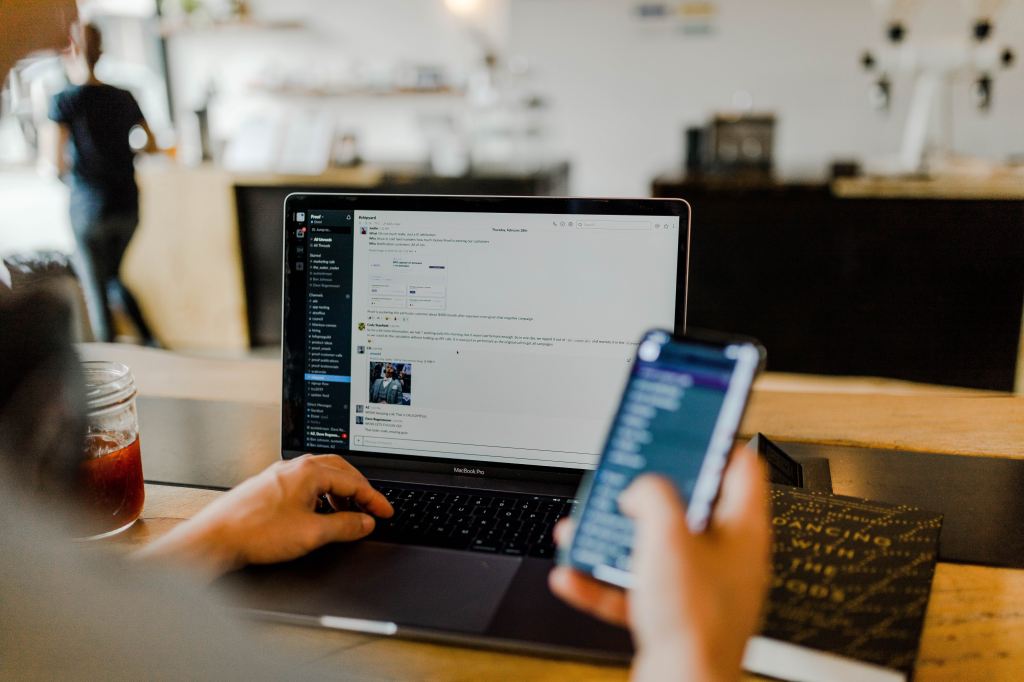
Person on computer while looking at phone
Photo by Austin Distel on Unsplash

Having strong communication skills with the various groups you interact with on your team is vital.  

Not only does it help get events planned, questions answered, and food delivered to match/game days, it establishes you as a responsible, friendly central figure that student-athletes, coaches, and parents can always reach out to with comments or concerns.  

Yet, the way you go about communicating with each group should be a bit different. I have always had access to all the student-athletes, coaches, and parents’ phone numbers and emails.  

Student-Athletes 

  • Best Method: Texting 
  • Worst Method: Email 

In my experience, texting has always been the best way to get a quick answer, or even an answer at all, from student-athletes. Some of them simply do not check their emails. If you do have to email them, text them to say you emailed them.  

Always be professional, but also friendly.  

Even if you have friendships with specific team members, keep your tone professional if you must relay important info regarding the team.  

Be wary of creating group chats to ask questions of them as I have had those get out of hand swiftly and many of them get annoyed with the constant replies of their teammates. If you do create one, make it clear they should respond to you individually. 

Coaches 

  • Best Method: In-person or texting 
  • Worst Method: Email 

I have the most contact with our head coaches by far. Both are typically good at responding to text messages, though I often just visit the one head coach in his office on campus to discuss things.  

With our assistant coaches, I usually do not have to relay very much information to them. In my three years, I have never had to email any assistant coach. However, I know each team uses their assistant coaches in different ways.  

Again, it is vital to be professional in each of your interactions with all coaches.  

Parents 

  • Best Method: Email 
  • Worst Method: Texting 

In my experience, I have only ever emailed parents regarding trips, banquets, or other events. While I have access to parent phone numbers, I have never had to use them or felt the need to.  

Typically, parents are better than their children at responding to emails. I also feel that texting parents (unless you have formed a close relationship with them) is unprofessional. 

Again, be friendly and clear with what you are asking of them. Also, respond efficiently to parent emails in order to display you care and want to help them. 

Social media can also be helpful with student-athletes. Just be conscientious with what you follow them on and what each of you posts.  

Pay particular attention to partying, drinking, and questionable behavior, especially on platforms you know coaches do not always follow them on, like Snapchat and TikTok. If I’ve ever been concerned about a post, I bring it up with the student-athlete first instead of the coach, unless it is a severe circumstance.  

In general, just be friendly, aware, and professional with your communications with all parties of your team.  

Running Successful Study Sessions

One of my personal favorite aspects of managing my team is running their study sessions. My team requires study sessions twice a week in the fall for first-year students, transfers, or any student-athlete with a GPA below a certain number.  

These sessions have proven to be productive in various ways from an academic and social standpoint. Here are a few of my best tips for running successful study sessions for your team. 

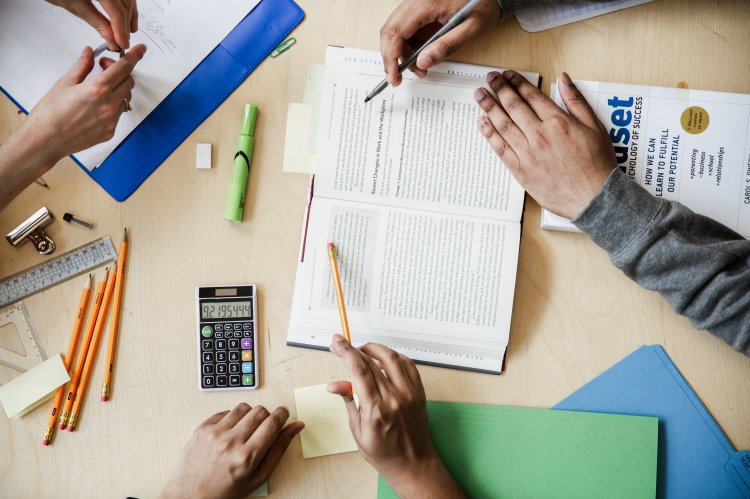
Hands of students working and studying

Keeping a Sign-In Sheet 

This might be the education major in me, but I love a having a sign-in sheet ready and placed near the door when the student-athletes walk in. Even if your coach doesn’t require it, I’ve found it helpful in remembering who shows up every session. It also adds a bit of accountability for them.  

If you’re feeling fancy, you can put inspirational quotes or other fun messages at the bottom. 

Setting Clear Expectations from the Beginning 

Let the student-athletes know from the start what you expect of them during these sessions. Tell them you expect them to attend each session and to contact you beforehand if you cannot. My group last fall was great with this while the one before them was not. 

I accept tutoring, illnesses/injuries, and emergencies as valid excuses. I do not accept lazy excuses or them not telling me beforehand. If it is a consistent problem, I tell the coaches. Let them know that you’re here to help them, but you can only really do that if they show up as much as they can. 

Keeping Study Times Consistent 

Try to not move the dates and times of study sessions too often. I set a time of Tuesdays and Thursdays from 7-8:30pm and try to stick to that as much as I can. Routine usually helps student-athletes, so keeping times as consistent as possible proves to be helpful for them and you.  

Of course, life happens, and there’s been times where I’ve had to switch out a Tuesday for a Monday or push the start time up. If this happens, just communicate the change clearly to the team and all will be fine. 

Assessing the Mood 

Some days, your student-athletes will be chattier than others. Or less productive, more disruptive, or simply tired from practice.  

It’s important to assess the mood of the group at the beginning of each session to best run it. If they’re ready to work hard, let them, and keep the room as quiet and free from disruption as possible. If they want to talk about practice, school, or life in general – let them. Often, they’ll put in headphones or move spots if they’re solely focused on working. Make sure they at least bring work to do even if they like talking. 

Having Fun with It 

Aside from just working, study sessions can be a great time to get to know your student-athletes more. This is especially important if they are first-years or transfer students. Each Thursday, I would conduct quick “check-ins” with each guy to see where they are academically, athletically, and socially. Through these, I was able to build relationships with each of them and notice any red flags that popped up. 

Additionally, I try to keep the mood as light as possible and sway any negative conversations to a more positive tone. Overall, while study sessions should consist of studying, they should also be a place to build rapport with your student-athletes, and for them to do the same with each other. 

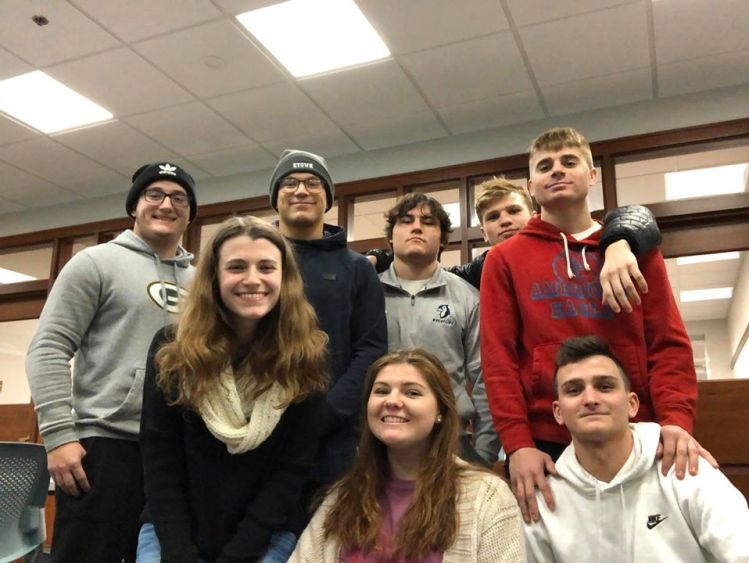
my study hours group of fall 2019
Part of my Fall 2019 study hours group
Design a site like this with WordPress.com
Get started